

Introduction
Knowing how to write a will in Nigeria is one of the most practical things you can do for the people you love. A will lets you direct what happens to everything you own after your death: your land and buildings, bank accounts, shares, business, and personal belongings. It also keeps your estate from being shared under intestacy rules or native law and custom, which may not reflect what you wanted for your spouse and children.
This guide explains what makes a will valid, how to write a will in Nigeria step by step, what a will cannot do, what it typically costs, and what happens to it after you die.
Contents
Legal Framework for Wills in Nigeria
Steps to Writing a Will in Nigeria
Appointing Guardians for Minors
Listing Assets and Beneficiaries
Witnessing and Signing the Will
What is a Will?
A will is a legal document in which a person (the testator) states how their assets are to be distributed after death. It names who receives what, who will carry out the instructions (the executors), and, where there are young children, who will care for them (the guardians).

Importance of Writing a Will in Nigeria
Family structures in Nigeria are often wide. Many people support not only a spouse and children but also parents, siblings and other relatives who expect help or a share. Without a will, the law decides who gets what, and the result can be confusion and conflict at an already painful time. A clear, valid will helps your dependants, especially your children, receive what you intended and reduces arguments over who owns what.
Anyone who owns something of value should consider a will. You do not need to be old or wealthy..
Legal Framework for Wills in Nigeria
There is no single national wills law. The rules depend on the state:
- Lagos State has its own Wills Law.
- The old Western Region states (such as Ogun, Oyo, Osun, Ondo and Ekiti) operate under the Wills Law of Western Nigeria.
- Many other states rely on the Wills Act 1837, an English statute that applies in Nigeria where no state law exists.
The core rules are similar everywhere, but some details, such as the minimum age, differ. Customary law also matters. Some things a will cannot change. For example, an Igbo man cannot use a will to give the Obi, a traditional inheritance reserved for the first son, to anyone other than his first son.
Types of Wills in Nigeria
The standard and safest type is the formal written will, which is what this guide covers. You may hear of other types:
- Oral (nuncupative) wills are generally not recognised for ordinary people.
- Privileged wills are a limited exception for soldiers and sailors on active service.
Holographic (handwritten) wills must still meet the signing and witnessing rules to be valid..
Requirements for a Valid Will
A will can fail on a technicality even when your wishes are clear. These are the core requirements:
- Capacity. The testator must be of sound mind and old enough. The age is 18 in Lagos. In states still following the older rules it can be 21, so confirm the position in your state.
- In writing. The will must be a written document.
- Signature. The testator signs at the end of the document. If they cannot read or write, a thumbprint can be used, but the lawyer must add the illiterate jurat (a certificate that the contents were read and understood).
- Two witnesses. At least two witnesses must be present at the same time when the testator signs, and then sign themselves.
- No witness should be a beneficiary. A beneficiary, or a beneficiary’s spouse, who witnesses the will can lose their gift under it. Use neutral adults, such as colleagues or neighbours.
- Free will. The will must be made without pressure, threats or undue influence.
- Revocation clause. If you have made earlier wills, state clearly that they are cancelled so there is no confusion about which one governs.

Steps to Writing a Will in Nigeria
Writing a will involves several steps and is a delicate process. Failing to do one thing right may affect the will and all your efforts and intentions will be wasted.
So, the first step to writing a will in Nigeria is consulting a lawyer who has the requisite experience. Once consulted, your lawyer will help you through the other processes which includes determining your assets, choosing executors, appointing guardians for minors, listing beneficiaries, and ensuring the will is properly witnessed and signed. Don’t do this without a lawyer. Our law firm, Amara Aniche and Associates are experienced family lawyers that can help you with preparing your will. Click here to reach us for this or any legal issue you may have
Choosing Executors
Executors are responsible for carrying out the instructions in your will. Choose people you trust who are capable of handling the responsibilities. Depending on the enormity of your estate, the executors may be placed on a salary or other form of compensation. The executors cannot be beneficiaries in the will at the same time.
Appointing Guardians for Minors
If you have minor children, it’s important to appoint guardians in your will to ensure they are cared for according to your wishes. This is important even though you have a living spouse.
Listing Assets and Beneficiaries
Clearly list all your assets and specify who should receive them. This helps prevent confusion and disputes among your heirs. Assets includes bank accounts and the monies in them, shares in companies, bonds, buildings and land, heirlooms, personal belongings, books, paintings, art works, etc.
Witnessing and Signing the Will
The will must be signed by the testator in the presence of two witnesses, who must also sign the document. This ensures the will is legally binding. Without this essential part of this process, the Will would be said not to be properly executed, and it invalidates it.
Storing the Will Safely
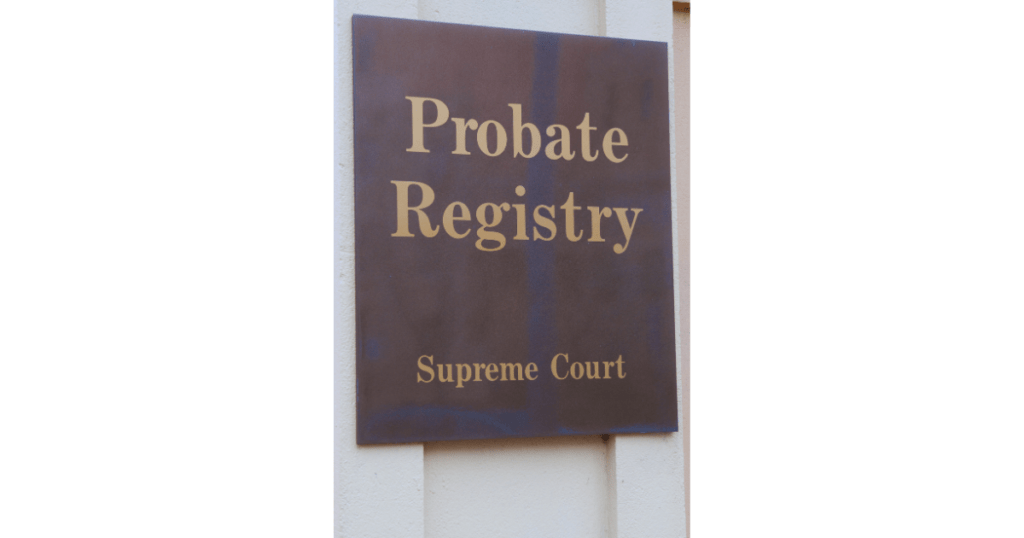
The best place to store your will is at the Probates Registry of the different states in Nigeria. Most lawyers will advise this and help you to lodge the will at the probate too. A will can also be stored with a lawyer, or in a secure location. Wherever you store your will, make sure your executor knows where to find it. But it is always best to store your will with the probate registry.
What a Will Cannot Do
A will is powerful, but it has limits:
- It cannot override customary or religious rules. Family or ancestral property may be restricted under customary law, and for Muslims, Islamic law limits how much can be given by will.
- Dependants can challenge it. In some states, a spouse or child left without reasonable provision can ask a court to vary the will.
- It cannot dispose of what you do not own. Jointly owned property and assets held by companies may pass under other rules.
It does not control assets with named beneficiaries, such as life insurance and pension (RSA) nominations, which usually follow their own instructions.
Updating and Amending a Will
Review your will regularly and after major events such as marriage, divorce, the birth of a child, or buying or selling significant property. In many states, a later marriage cancels an earlier will unless it was made in contemplation of that marriage, and divorce can affect gifts to a former spouse. Small changes can be made through a codicil, which must be signed and witnessed in the same way as a will. For larger changes, make a new will that revokes the old one..
Cost of Making a Will in Nigeria
The cost depends on how complicated your estate is and who prepares the document. As a rough guide:
- Simple will (one or two properties and a few beneficiaries): often ₦350,000 to ₦750,000 in professional fees.
- Complex will (multiple properties, business interests, assets in different states, arrangements for minors): ₦800,000 to ₦5,000,000 or more.
- Do-it-yourself: the cheapest option but the one with the most risk of errors.
These are typical ranges, not fixed prices, so ask for a written quote. Probate fees and legal costs after death are separate.
What Happens After Death: Probate
Having a will does not remove the need for court processes. After the testator dies, the executor applies to the Probate Registry of the High Court for a Grant of Probate, the court’s confirmation that the will is valid and the executor has authority to act. Banks and land registries typically will not release or transfer assets without it. If the testator owned property in another state, the grant may need to be resealed there. The timeline varies by state and is longer if anyone objects.
Making a will is a decision for the living, but its real test comes later, when your executor must prove it. Choosing an executor who understands the process, and knowing how probate works, can make that stage much easier for your family. Click here to talk to a lawyer for guidance
Common Mistakes to Avoid
- Using a beneficiary or their spouse as a witness
- Describing assets vaguely (for example, “my land in the village”)
- Leaving out the residuary clause
- Not updating the will after life changes
- Naming an executor without asking them
- Keeping the will where no one can find it
Conclusion
Writing a will in Nigeria is a vital step in ensuring your wishes are respected and your loved ones are taken care of. The importance of this cannot be overemphasized and it should be embraced by all, whether old or young, rich or poor; every adult can have a will in Nigeria.
We don’t just write to teach you Nigerian law in a simple way, we are your best family law lawyers in Nigeria. Feel free to reach our firm on, 08030881289.
FAQs
What happens if I die without a will in Nigeria?
If you die without a will, your assets will be distributed according to the laws of intestacy, or native laws and customs which may not align with your wishes.
Can I write my own will without a lawyer?
Yes, you can write your own will, but it’s advisable to seek legal advice to ensure it meets all legal requirements.
How often should I update my will?
You should review and update your will whenever there are significant changes in your life, such as marriage, divorce, or the birth of a child. Also, you should review or update your will when you acquire new assets or do away with some assets in order for your will to reflect the changes.
Can a will be challenged in court?
Yes, a will can be challenged in court if there are grounds to believe it is invalid, such as lack of testamentary capacity or undue influence.
What is a codicil?
A codicil is a legal document used to make changes or additions to an existing will. It must be witnessed and signed like the original will.
Curious About Family Court in Nigeria?
